Oxytocin Neurons and the Rhythm of Warmth and Wakefulness

A new study led by Morgane Vandendoren, Nicole Bedford, and others from Adam Nelson’s lab at the University of Wyoming has uncovered a new role for oxytocin, the so-called “love hormone.” Published in eLife, the research shows that oxytocin neurons in the paraventricular hypothalamus act as a kind of biological switch, helping mammals transition from cooler, resting states to warmer, active ones. Using mice, the team combined calcium imaging, optogenetics, and behavioural observation to show that bursts of oxytocin neuron activity reliably occur just before an animal warms up and becomes active, even in the absence of social cues. These neurons appear to coordinate both thermogenic (heat-producing) and behavioral arousal, revealing a new layer of oxytocin’s influence that bridges physiology and behaviour.

This collaboration, with contributions from several Wyoming students and collaborators, demonstrates how oxytocin not only shapes social and maternal behaviours but also tunes the body’s thermal and arousal cycles. My lab’s involvement was a bit on the periphery, but focused on the thermal imaging and coding pipelines that helped visualize these rapid transitions in body temperature and activity. Together, the findings expand our understanding of oxytocin beyond its traditional social context, showing that it also plays a key role in the daily rhythm of energy balance and physiological readiness.

The University of Wyoming have a more detailed press release for the study here:

https://www.uwyo.edu/news/2025/10/uw-researchers-discover-love-hormone-has-role-in-regulating-daily-thermoregulatory-patterns-of-rest-and-arousal.html

This paper was published in eLife, following an open peer review approach that I am still trying to wrap my head around. The citation is below, and so formally the study is published in preprint format, with us having still to upload a revised manuscript which will address some of the points raised by the reviewers.

Citation

Vandendoren, M, Rogers, JF, Landen, JG, Killmer, S, Alimiri, B, Pohlman, C, Tattersall, GJ, Bedford, NL, Nelson, AC. 2025. Oxytocin neurons signal state-dependent transitions to thermogenesis and behavioral arousal in social and non-social settings. eLife, 14: RP108212. https://doi.org/10.7554/eLife.108212.1

Shape-Shifting Shorebirds: How Wing Length Is Responding to a Warming World

We’re excited to share the publication of a new paper in Ecography, led by PhD candidate Sara Ryding (Deakin University, collaboration with Matt Symonds Lab), which explores how climate change may be reshaping the morphology of migratory shorebirds. Using an incredibly extensive dataset of nearly 19,000 juvenile birds across 11 species sampled over 43 years, Sara investigated whether warming temperatures are causing changes in relative wing length, a trait thought to play a role in thermoregulation. Interestingly, while juvenile shorebirds migrating to tropical northern Australia exhibited a consistent increase in relative wing length over time, no such trend was observed in their temperate southern counterparts.

Crucially, the study found no evidence that these morphological changes are driven by developmental temperatures at the breeding grounds, suggesting that these changes are unlikely to be short-term plastic responses. Instead, they may reflect long-term, potentially evolutionary responses to the environmental conditions experienced at non-breeding sites. This work highlights how subtle, climate-linked changes in body shape (e.g. “shape-shifting”) may be occurring unevenly across populations, depending on local climatic pressures.

Congratulations to Sara on this significant contribution to our understanding of how wildlife is adapting to our changing planet.

Citation

Ryding, S, McQueen, A, Symonds, MRE, Tattersall, GJ, Victorian Wader Study Group, Australasian Wader Studies Group, Rogers, DI, Atkinson, R, Jessop, R, Hassell, CJ, Christie, M, Ross, TA, and Klassen, M. 2025. Shape-shifting in relative wing length of juvenile shorebirds: no evidence of developmental temperatures driving morphological changes. Ecography, 2025: e07801. doi: 10.1002/ecog.07801

Misconceptions and Set-Points

For decades, the concept of a thermoregulatory “set-point” has been a cornerstone of physiological research, yet its definition and application remain surprisingly inconsistent across disciplines. Our recent study, spear-headed by the inimitable Dr. Duncan Mitchell, soon to be published in Biological Reviews, revisits and clarifies this fundamental concept by bridging perspectives from control theory and thermal biology. We explore how the set-point framework has been misinterpreted, and we argue for a more precise definition rooted in negative feedback principles. By revisiting foundational work and integrating recent empirical data, we demonstrate that set-points should not be conflated with operating body temperatures. Instead, they represent the thresholds at which thermo-effectors—such as sweating, shivering, or behavioural thermoregulation—are activated. 

By incorporating an historical perspective, and combining control theory research with research into behavioural thermoregulation in lizards, our work highlights that, while lizards select body temperatures within a narrow range under stable conditions, their ability to do so is governed by multiple overlapping control mechanisms rather than a singular, static reference point.

This nuanced understanding has broad implications for comparative physiology and ecological research, especially in the face of climate change. The mischaracterization of set-points has led to confusion in both homeothermic and ectothermic species, potentially skewing interpretations of thermal adaptation and stress responses. By refining the definition of set-points within a rigorous control-theory framework, our study provides a clearer foundation for future research on thermal biology. We emphasize the importance of distinguishing between physiological thresholds and behavioral outcomes, urging researchers to adopt a systems-based approach to thermoregulation. Ultimately, our work seeks to reframe the discussion, ensuring that the next generation of studies can build on a more precise and unified conceptual framework.

This review is part of a series of “Misconceptions in thermal biology” papers, mainly from the Brain Function Research Group in South Africa, but the list of co-authors includes experts in thermal physiology and ecophysiology. Stay tuned for more papers in the future, and I encourage anyone new to thermoregulation and thermal biology research to read some of these.

Citation

Mitchell, D, Fuller, A, Snelling, EP, Tattersall, GJ, Hetem, RS, and Maloney, SK. 2025. Revisiting concepts of thermal physiology: understanding negative feedback and set-point in mammals, birds, and lizards. Biological Reviews. https://doi.org/10.1111/brv.70002

For other misconceptions in thermoregulation papers see:

https://doi.org/10.1111/1365-2656.12818

https://doi.org/10.1002/ece3.5721

Shrinking Shorebirds & How Climate is Reshaping Them

Shorebirds across Australia are experiencing notable changes in size and shape, offering a vivid example of climate change’s impact on wildlife. In a recent publication in Ecology Letters (McQueen et al), using comprehensive 46-year study involving over 200,000 observations across 25 species we show widespread declines in body size (“shrinking”) and concurrent increases in bill length (“shape-shifting”). These shifts appear to align with thermal adaptation, where smaller bodies and elongated bills would help dissipate heat more effectively in warmer environments. However, we also found that smaller species exhibited the most pronounced changes, while long-distance migratory species showed weaker trends, possibly due to physical constraints needed for efficient flight over vast distances.

Interestingly, while bill lengths have generally increased over time, they shortened following exposure to recent hot summers, hinting at complex evolutionary trade-offs between short-term vs. long-term climatic fluctuations.  We suggest these changes may reflect not only adaptations for thermoregulation but also responses to nutritional stress or other environmental pressures. These findings emphasize the dual role of climate change as both a selective force and a stressor. As global temperatures continue to rise, understanding these morphological changes is crucial for predicting their effects on species survival and the ecosystems they inhabit.

Field sites and climate information for northern and southern Australian shorebird populations. A and B show locations where shorebirds have been sampled by members of the VWSG and AWSG (black circles) and nearby Australian Bureau of Meteorology weather stations with summer temperature data from 1970-2021 (blue triangles); colour scale shows average summer daily maximum temperatures (December-February). 

To read more about the study, it in open access below. 

Citation

A. McQueen, M. Klaassen, G. J. Tattersall, S. Ryding, Victorian Wader Study Group, Australasian Wader Studies Group, R. Atkinson, R. Jessop, C. J. Hassell, M. Christie, A. Fröhlich, M. R. E. Symonds. 2024. Shorebirds are shrinking and shape-shifting: declining dody size and lengthening bills in the past half-century. Ecology Letters. 27:e14513. https://doi.org/10.1111/ele.14513

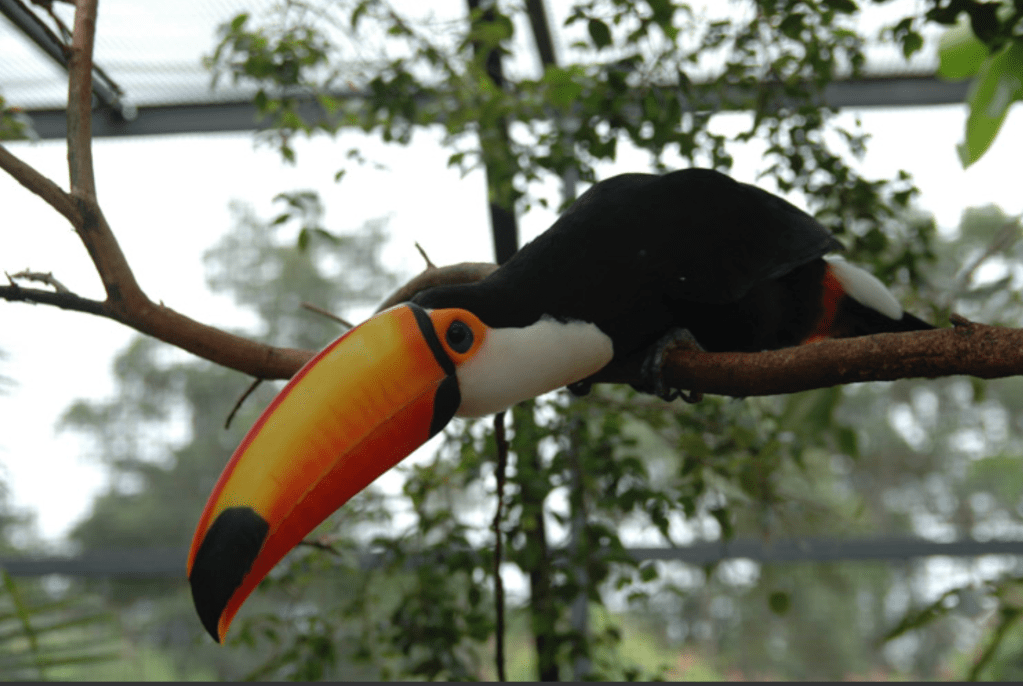
Toucans make do without bill heat transfer, but with a cost.

Our paper “Energetic costs of bill heat exchange demonstrate contributions to thermoregulation at high temperatures in toco toucans (Ramphastos toco)” was just accepted for publication in the Journal of Experimental Biology.

This research project was from Jussara Chaves’ MSc thesis done at UNESP, Rio Claro, Brasil with Dr. Denis Andrade.

We showed that insulating the bill does not alter the width of the thermal neutral zone, suggesting the toco toucan has the capacity to compensate for the sudden reduction in heat transfer from the bill, but at higher temperatures the normal role of the bill in assisting with heat dissipation becomes more clear. Birds with insulated bills show significantly higher metabolic costs of heat dissipation. Since the primary avenues for dissipating heat at high ambient temperatures are evaporative cooling, the compensatory mechanisms involve an increased reliance on panting and gular fluttering, which are metabolically costly. These results indicate that while heat dissipation through the bill does not contribute significantly to widening of the TNZ, it may well be critically important in assisting body temperature regulation at higher temperatures extending above the upper limit of the TNZ. 

Toco toucan (Ramphastos toco)

For a great summary of the article by Kathryn Knight, please see the Inside JEB article “Toucans’ ostentatious beaks do not expand their thermoneutral zone“.

Link

Access the paper from this Link (50 free clicks) or at the JEB website.

Citation

Chaves, J.N, Tattersall, GJ, and Andrade, DV. 2023. Energetic costs of bill heat exchange demonstrate contributions to thermoregulation at high temperatures in toco toucans (Ramphastos toco). Journal of Experimental Biology, 226, jeb245268. doi:10.1242/jeb.245268.

Acknowledgements

We wish to acknowledge Guilherme Gomes and Ariovaldo Pereira da Cruz-Neto for assistance with experiments and preliminary data analysis, and Luá T. Timpone and Adriana Fuga for assistance with animal care.

Star-nosed moles have chilly stars

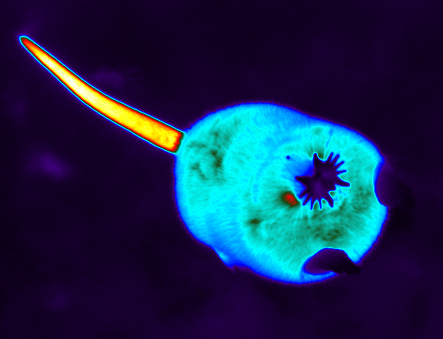
Our study on star-nosed moles was recently accepted in the Journal of Experimental Biology! In it we (myself and Kevin Campbell from University of Manitoba) present on a curious observation that the fleshy, tentacled nose of the star-nosed mole does not show much evidence for elevated blood flow, even when the moles encounter warm temperatures. Indeed, the highly mechanosensitive nasal rays of the star-nosed mole thermo-conform closely with ambient temperature thereby minimizing heat loss without apparent changes in sensory performance. Because this was a non-invasive study, we have to use thermo-conformation as a proxy for blood flow, and discover that they really don’t have high blood flow to the rays!

Abstract of the study

The star-nosed mole (Condylura cristata) is renowned for its densely innervated 22 appendage star-like rostrum (‘star’) specialised for tactile sensation. As a northerly distributed insectivorous mammal exploiting aquatic and terrestrial habitats, these vascularized nasal rays are regularly exposed to cold water and thermally conductive soil, leading us to ask whether the star surface temperature, a proxy for blood flow, conforms to the local ambient temperature to conserve body heat. Alternatively, given the exquisite sensory nature of the star, we posited that the uninsulated rays may be kept warm when foraging to maintain high mechanosensory function. To test these hypotheses, we remotely monitored surface temperatures in wild-caught star-nosed moles. While the tail acted as a thermal window exhibiting clear vasoconstriction/vasodilation, the star varied passively in surface temperature, with little evidence for thermoregulatory vasomotion. This thermoconforming response may have evolved to minimize conductive heat loss to the water or wet soils when foraging.

Gallery Images

Note: WordPress may have mangled the videos. Looking into fixing….

Bottom view of the star-nosed mole searching the ground with its star. Blink and you’ll miss it.

Bottom view of a star-nosed mole foraging on an earth worm. One of the world’s fastest eaters!
A rare video / timelapse of a star-nosed mole standing still. In this case it is grooming. This is the only time we observed the star showing any evident “body heat” warming up the star itself. Watch up to the end to see the brief vasodilation to the star before the mole walks off scene. Usually the star remains at or slightly below ambient temperature.

Backstory

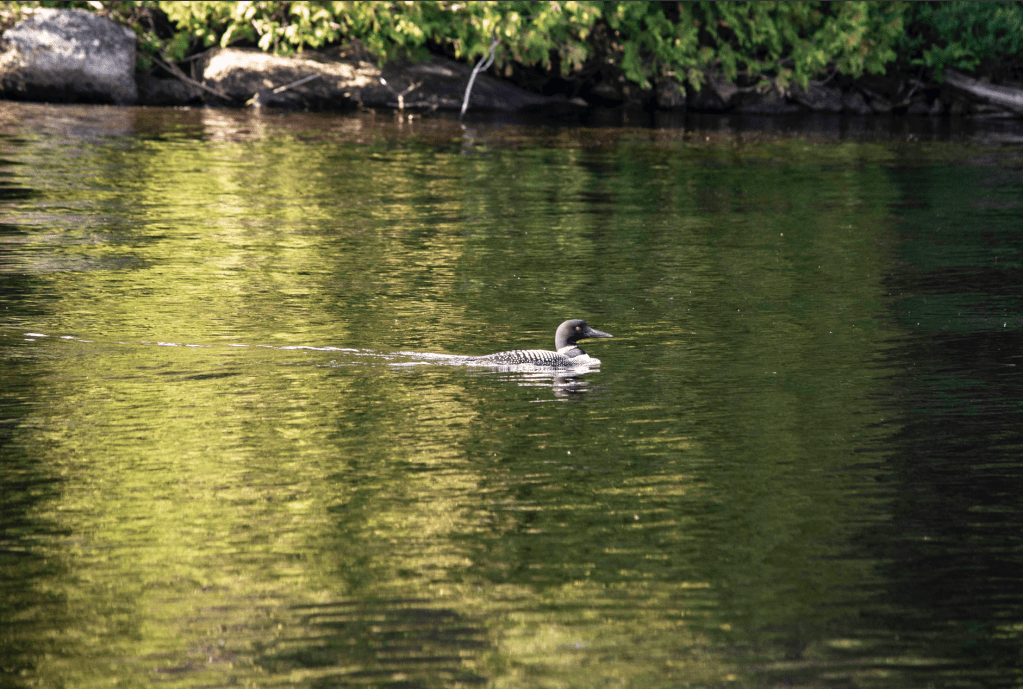
This work took place in Northern Ontario in the summer 2022, as the first sabbatical project I took on board this past year. Kevin Campbell was hosting two film crews out at his field site, and invited me to “tag along” (i.e. research) with the group. My lab been interested in the inter-play between temperature and sensory functions (plus a 4th year course I teach concerns neuro-ethology and sensory ecology/physiology, so this was a fun way to explore teaching/research overlap). Best (and only) two weeks I have ever spent working in a garage/film set. Also, no trip to northern Ontario would be complete without a picture of the resident loon from the cottage.

Citation

Tattersall, GJ and Campbell, KL. 2023. Thermoconforming rays of the star-nosed mole. J Exp Biol 2023; jeb.245127.  https://doi.org/10.1242/jeb.245127

Link to the paper (50 free clicks)

Acknowledgements

We thank Josh Campbell for assistance with mole capture, and the British Broadcasting Corporation Studios Natural History Unit for accommodating this study. This research was supported by NSERC Discovery Grants to GJT (RGPIN-2020-05089) and KLC (RGPIN-2016-06562) and an NSERC Research Tools and Instrumentation Grant to GJT (NSERC RTI-2021-00278).

Data Repository

The data from the paper are shared in the following open repository: http://hdl.handle.net/10464/16980

Hummingbirds rarely use torpor when incubating eggs

Our study that started in 2017 has finally been published! Congratulations to Dr. Erich Eberts, who was project lead for this project while he was finishing his undergraduate degree at Loyola Marymount University, and who stuck with the writing, analysis, and manuscript handling. It is rather apt that the study was accepted and In Press around about the same time that Dr. Eberts defended his PhD!

Here is the abstract:

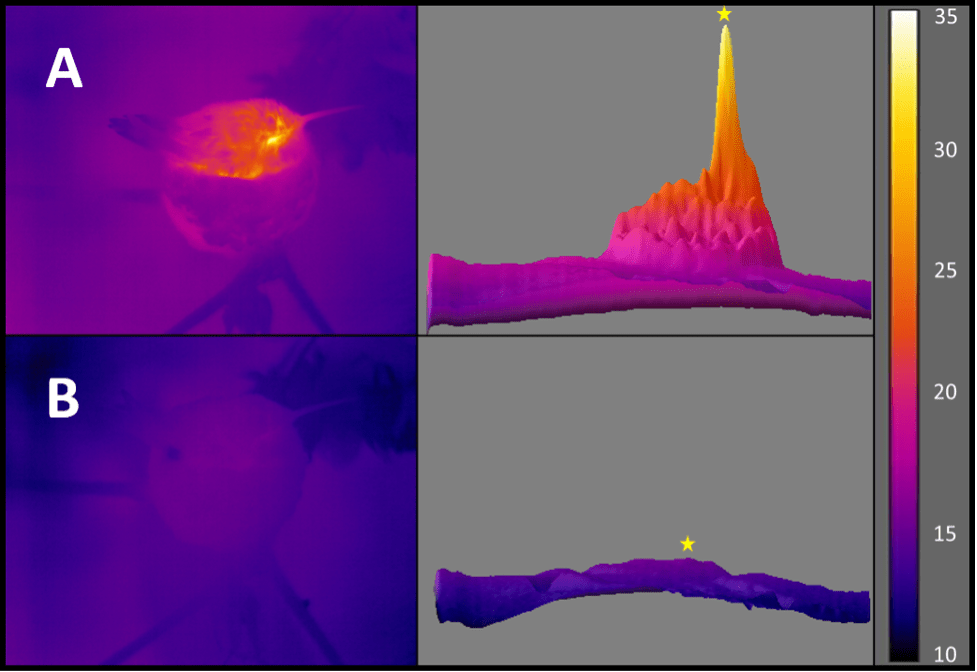
Reproduction entails a trade-off between short-term energetic costs and long-term fitness benefits. This is especially apparent in small endotherms that exhibit high mass-specific metabolic rates and live in unpredictable environments. Many of these animals use torpor, substantially reducing their metabolic rate and often body temperature to cope with high energetic demands during non-foraging periods. In birds, when the incubating parent uses torpor, the lowered temperatures that thermally sensitive offspring experience could delay development or increase mortality risk. We used thermal imaging to noninvasively explore how nesting female hummingbirds sustain their own energy balance while effectively incubating their offspring. We located 67 active Allen’s hummingbird (Selasphorus sasin) nests in Los Angeles, California and recorded nightly time-lapse thermal images at 14 of these nests for 108 nights using thermal cameras. We found that nesting females usually avoided entering torpor, with one bird entering deep torpor on two nights (2% of nights), and two other birds possibly using shallow torpor on three nights (3% of nights). We also modeled nightly energetic requirements of a bird experiencing nest temperatures vs. ambient temperature and using torpor or remaining normothermic, using data from similarly-sized broad-billed hummingbirds. Overall, we suggest that the warm environment of the nest, and possibly shallow torpor, help brooding female hummingbirds reduce their own energy requirements while prioritizing the energetic demands of their offspring.

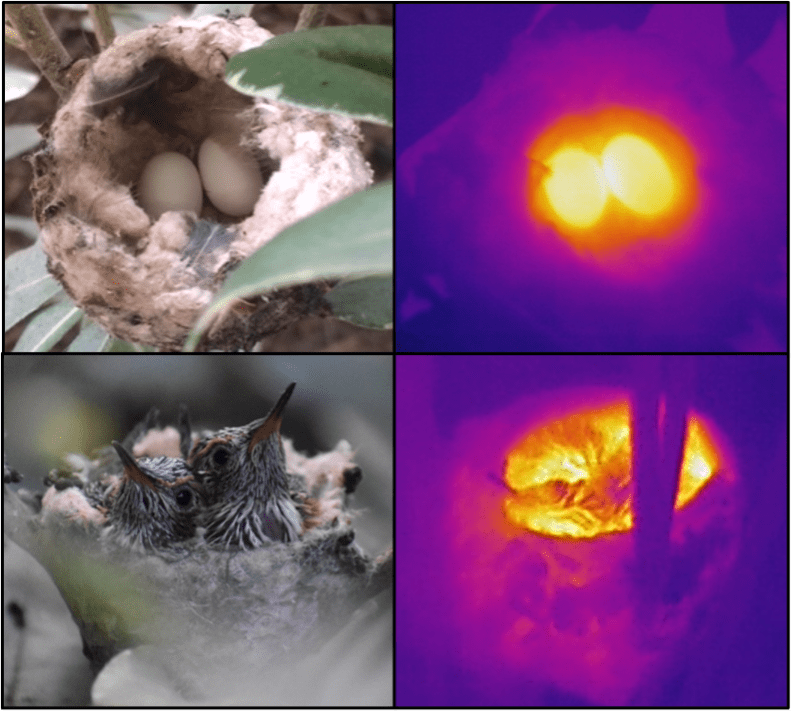
Thermal images of a normothermic hummingbird (A) and one in torpor (B). Right hand images are a 3D-rendering of the surface temperatures.
Digital and thermal images of eggs and hatchling hummingbirds.
Thermal video of a Ruby-throated hummingbird feeding from a feeding station. Video captured at Brock University in 2012, and has no association with the study.

Citation

Eberts, ER, Tattersall, GJ, Auger, PJ, Curley, M, Morado, MI, Strauss, EG, Powers, DR, Camacho, NM, Tobalske, BW, and Shankar, A. 2022. Free-living Allen’s hummingbirds (Selasphorus sasin) rarely use torpor while nesting. Journal of Thermal Biology. Available online 5 December 2022, 103391. https://doi.org/10.1016/j.jtherbio.2022.103391

Acknowledgements

We thank the numerous undergraduate assistants who completed much of the nest searching, equipment maintenance, and data collection, CURes, the LMU grounds and facilities maintenance staff for assisting with the location of and access to nests. We also thank Susan Wethington for providing broad-bill hummingbird nests. We also thank Welch lab members (University of Toronto) for helpful discussions. We especially thank our crowdfunding campaign donors who participated in the Experiment.com crowd-source campaign and FLIR Systems for their support.

Thermal adaptations best explain biogeographic rules in Australian shorebirds

Bergmann’s and Allen’s rules state that endotherms should be larger and have shorter appendages in cooler climates. However, the drivers of these rules are not clear. Both rules could be explained by adaptation for improved thermoregulation, including plastic responses to temperature in early life.

Our study has just been published in Nature Communications here:

https://www.nature.com/articles/s41467-022-32108-3

Non-thermal explanations are also plausible as climate impacts other factors that influence size and shape, including starvation risk, predation risk, and foraging ecology. In this study, we assess the potential drivers of Bergmann’s and Allen’s rules in 30 shorebird species using extensive field data (>200,000 observations). We show birds in hot, tropical northern Australia have longer bills and smaller bodies than conspecifics in temperate, southern Australia, conforming with both ecogeographical rules.

Heat map of Australia, including the sample sites where morphological data from >30 species of shorebirds were used.

This pattern is consistent across ecologically diverse species, including migratory birds that spend early life in the Arctic. Our findings best support the hypothesis that thermoregulatory adaptation to warm climates drives latitudinal patterns in shorebird size and shape.

Acknowledgements

Dr. Alexandra McQueen (Post-Doc at Deakin University) did most of the work on this manuscript. The Victorian Wader Study Group and the Australasian Water Studies Group were responsible for the 46 years worth of data collected that made this study possible. My thanks to Matt Symonds and Marcel Dekker for including me in this study, a result made possible from an Australian Research Council Discovery Grant.

Citation

McQueen A, Klaassen M, Tattersall GJ, Atkinson R, Jessop R, Hassell CJ, Christie M; Victorian Wader Study Group; Australasian Wader Studies Group, Symonds MRE.  2022. Thermal adaptation best explains Bergmann’s and Allen’s Rules across ecologically diverse shorebirds. Nat Commun 13, 4727. https://doi.org/10.1038/s41467-022-32108-3

Naked mole-rats rapidly decrease UCP1 in hypoxia

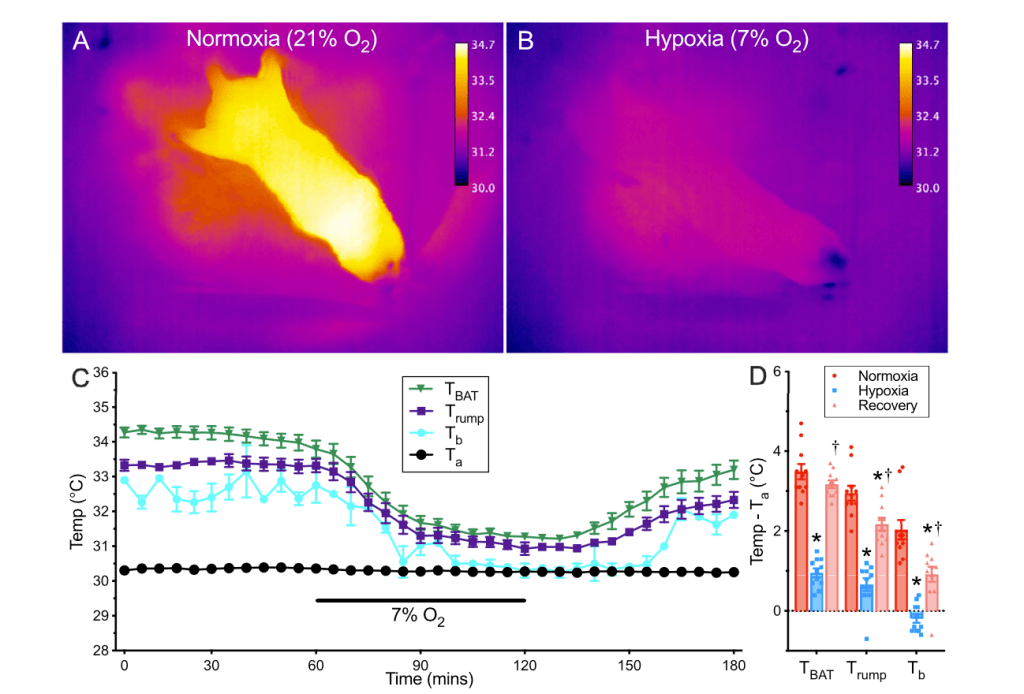
I’m happy to report on a paper from Matt Pamenter’s lab (U Ottawa) that has just been published in Nature Communications. Matt and colleagues teamed up to examine how naked mole rats show a remarkable capacity to rapidly down-regulate UCP1 levels in their brown fat. It might come as a bit of a surprise to some to hear that naked mole-rats even have functional UCP1, since they are often described as “poikilothermic” mammals, not capable of producing heat. This is actually not entirely accurate, as can be seen in thermal images of naked mole-rats (Figure 1 below from Cheng et al 2021), they have a substantial band of heat within their shoulder region, where the brown fat lies.

Figure 1. Thermogenesis ceases in acute hypoxia and body temperature drops to ambient levels.

Naked mole-rats are among the most hypoxia-tolerant mammals. During hypoxia, their body temperature (Tb) decreases via unknown mechanisms to conserve energy. In small mammals, non-shivering thermogenesis in brown adipose tissue (BAT) is critical to Tb regulation; therefore, we hypothesized that hypoxia decreases naked mole-rat BAT thermogenesis. To test this, we measure changes in Tb during normoxia and hypoxia (7% O2; 1–3 h). We report that interscapular thermogenesis is high in normoxia but ceases during hypoxia, and Tb decreases. Furthermore, in BAT from animals treated in hypoxia, UCP1 and mitochondrial complexes I-V protein expression rapidly decrease, while mitochondria undergo fission, and apoptosis and mitophagy are inhibited. Finally, UCP1 expression decreases in hypoxia in three other social African mole-rat species, but not a solitary species. These findings suggest that the ability to rapidly down-regulate thermogenesis to conserve oxygen in hypoxia may have evolved preferentially in social species.

This work was a team effort, lead by Dr. Matt Pamenter’s lab at U Ottawa and Dr. Mary-Ellen Harper (U Ottawa), and included colleagues from the University of Pretoria, and University of Shaqra, Saudi Arabia, and myself (Brock University).

Here is a link to the paper.

https://rdcu.be/cBR7d

Citation

Cheng, H, Rebaa, R, Malholtra, N, Lacost, B, El Hankouri, Z, Kirby, A, Bennett, NC, van Jaarsveld, B, Hart, DW, Tattersall, GJ, Harper, M-E, and Pamenter, ME. 2021. Naked mole-rat brown fat thermogenesis is diminished during hypoxia through a rapid decrease in UCP1. Nature Communications, 12: 6801. https://doi.org/10.1038/s41467-021-27170-2

Thermal Ethology: Staying Warm is not the Norm

I’m happy to report that our paper entitled “Staying warm is not the norm: Behavioural differences in thermoregulation in two snake species” is published in the Canadian Journal of Zoology at the following link:

https://cdnsciencepub.com/doi/full/10.1139/cjz-2021-0135.

Congratulations to the team in my lab for pulling this paper together.

In this study, we focus on laboratory measurements of behaviours (in two species of snakes) related to temperature regulation to highlight methodological approaches to studying thermoregulation in ectotherms.

Over the past few years, we have read a lot of papers that report on thermoregulation in ectotherms, but we have felt that critical information on whether the animals are purposely thermoregulating is missing. How do you know they are thermoregulating? Is it sufficient to simply examine their position within the thermal gradient? Perhaps the direction they orient is important to establishing their motivations? How do you know an ectotherm is thermoregulating rather than simply moving around at random? Maybe accounting for activity and exploration effects in these studies can help make a difference? These topics have been covered in a number of other papers from our laboratory (Wang et al 2019; Black and Tattersall, 2017; Black et al, 2019), but we test them here using two species of snakes with contrasting life histories, where we would expect different thermoregulatory preferences given the different microhabitats preferred in nature.

These are some of the questions we focus on in this study of the Eastern Garter Snake (Thamnophis sirtalis sirtalis) and the semi-fossorial Northern Red-bellied Snake (Storeria occipitomaculata occipitomaculata). While we do report that the semi-fossorial snakes appear to prefer cooler temperatures, please read the paper for some of the more subtle differences between these species.

Anyhow, we hope to convince fellow researchers to report on these sort of behaviours since they may likely be helpful in bolstering the case that the animal is motivated to select temperatures.

Video time lapse of a garter snake in a circular / doughnut shaped thermal gradient.

Thermal gradient used in the study.

Citation

Giacometti, D., Yagi, KT, Abney, CR, Jung, MP, and Tattersall, GJ. 2021. Staying warm is not always the norm: Behavioural differences in thermoregulation of two snake species. Canadian Journal of Zoology, Accepted, Aug 25 2021. http://doi.org/10.1139/cjz-2021-0135

Many thanks to the co-authors in this study. This research was originally part of Curtis Abney’s MSc thesis, supplemented with Matthew Jung’s Honours thesis (with input and guidance from Dr. Katherine Yagi), and brought together by the fine analytical and writing skills of Danilo Giacometti.

References

Black, IRG and Tattersall, GJ. 2017.  Thermoregulatory behavior and orientation preference in bearded dragons.  Journal of Thermal Biology. 69: 171-177.  https://doi.org/10.1016/j.jtherbio.2017.07.009; http://hdl.handle.net/10464/12875

Black, IRG, Berman, JM, Cadena, V, and Tattersall, GJ. 2019. Behavioral thermoregulation in lizards: Strategies for achieving preferred temperature. In: Behavior of Lizards: Evolutionary and Mechanistic Perspectives, Eds. Vincent Bels and Anthony Russell, CRC Press, 410 pp.

Wang, SYS, Tattersall, GJ, and Koprivnikar, J. 2019.  Trematode parasite infection affects temperature selection in aquatic host snails. Physiological and Biochemical Zoology. 92(1):71-79.  https://doi.org/10.1086/701236